Join us!

🚚 Reduced shipping costs – SHIPPING FROM OUR BORDEAUX WAREHOUSE
Reduced shipping rates
Join us!
Profitez de 10€ offerts sur votre 1 ère commande dès 100€ d'achat et recevez nos conseils déco & offres exclusives.
Non merci
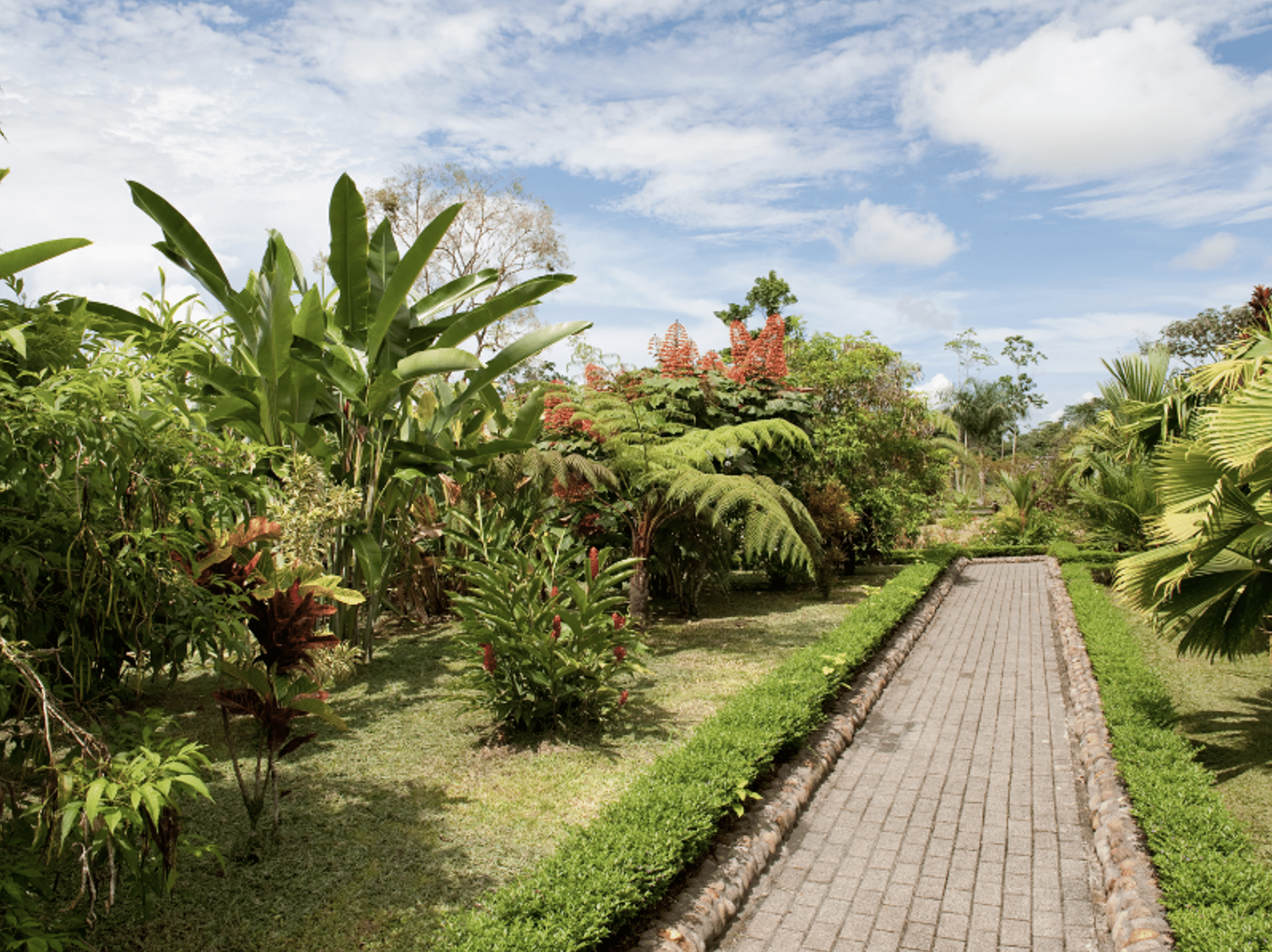
An exotic garden is distinguished by the exuberance of its plants. To create a lush, lively space, it’s essential to use shrubs, trees and flowers planted in dense strata. This plant density helps recreate the lush atmosphere of tropical forests, while adding a touch of the exotic to your exterior. Choose species that grow quickly and occupy the space generously, for a stunning visual effect.
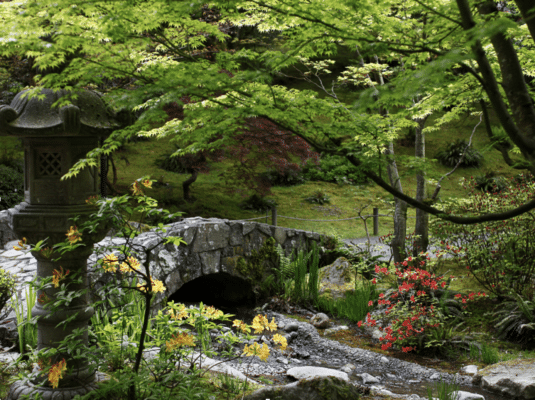
By choosing plants with varied, colorful foliage, you can add depth and texture to your garden. Climbers, ferns and palms are ideal for this exuberant effect. Don’t forget to vary the heights to create a veritable plant canopy. Imagine, for example, a Ganesh statue nestling among the vegetation, adding a spiritual dimension to your green space.
To create an exotic atmosphere, it’s crucial to incorporate elements that evoke faraway lands. Palm trees, for example, are essential for adding a tropical touch. Wooden walkways, bamboo bridges and pergolas also enhance the exotic atmosphere. To complete the look, consider adding water features such as fountains or ponds. A Moai statue, reminiscent of the mysteries of Easter Island, could complete the picture, adding a unique and intriguing touch to your garden.
Colors play an essential role in the ambience of your garden. Choose flowers in bright hues and foliage in a variety of shades. Lanterns and statues can also add a touch of exoticism and mystery to your outdoor space. Imagine, for example, a Buddha statue enthroned in the heart of your garden, creating an atmosphere of serenity and meditation.
Atypical design is another key aspect of an exotic garden. Use sinuous, random shapes to give the appearance of a jungle while still having a thoughtful design. Curved paths and irregular planting areas contribute to this impression of untamed wilderness.
To accentuate this effect, you can create terraced or tiered planting areas. This allows you to play with levels and add an extra dimension to your garden. Decorative elements, such as Tiki totem statues or rocks, can also reinforce this atypical design, adding a touch of authenticity and adventure to your space.
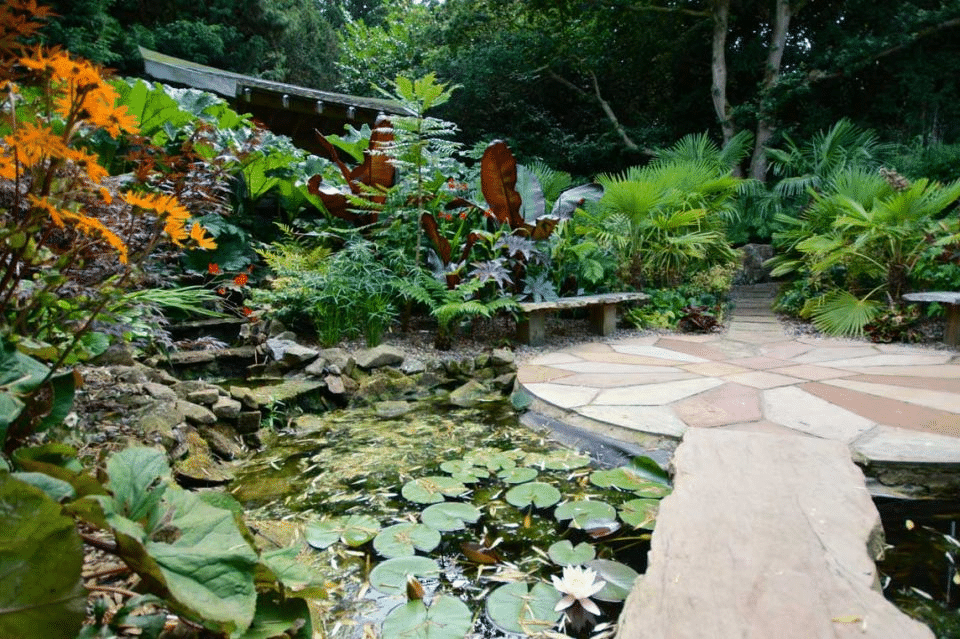
Exotic gardens generally thrive in sunny locations. Most exotic plants need plenty of light to grow and flourish. Choose a location that receives at least six hours of sunlight a day. This will enable your plants to develop dense foliage and bright flowers.
Make sure the soil is well drained to avoid water accumulation, which can be harmful to some exotic plants. Nutrient-rich soil will also enhance plant growth. Consider incorporating decorative elements such as a statue base to enhance your garden centerpieces.
If your garden doesn’t benefit from constant sunlight, it’s still possible to create an exotic garden in a semi-shaded situation. Certain exotic plants, such as ferns and hostas, prefer shady areas and can bring a tropical touch to such spaces.
Creating an exotic garden around your pool is an excellent way to create a relaxing and relaxing space. Exotic plants add a touch of freshness and greenery that blends perfectly with the water. Palms, banana trees and climbing plants can transform your pool into a veritable tropical oasis.
Remember to choose plants that don’t shed too many leaves, to avoid having to constantly clean the pool. Potted plants can also be a good option for pool surrounds, as they are easy to move and maintain.
Wood is an essential material for enhancing the exotic look of your garden. Used for walkways, decks, pergolas or fences, it adds a warm, natural touch. Exotic woods, such as teak or ipe, are particularly well-suited to weathering and temperature variations.
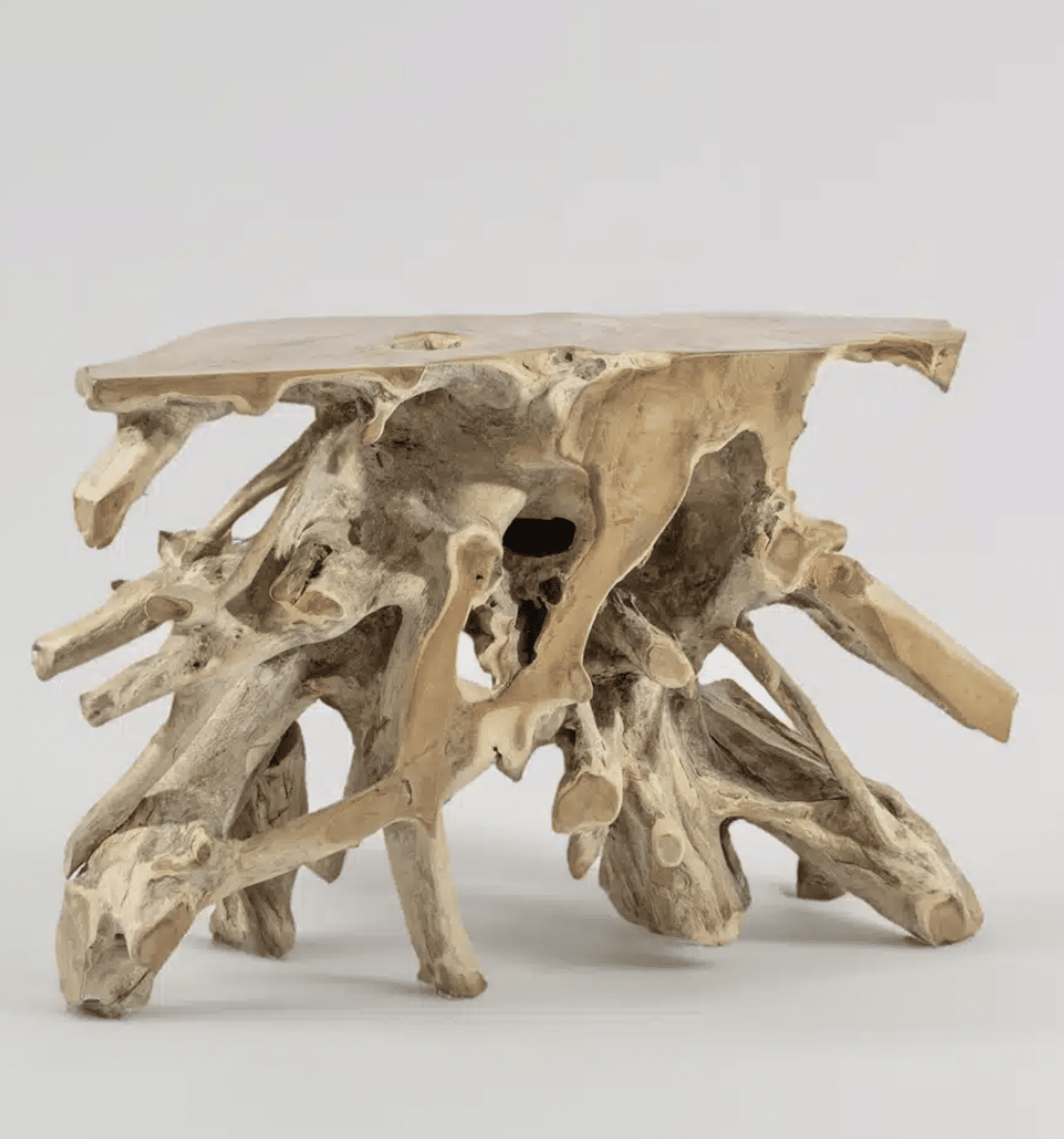
You can also use driftwood elements to add a rustic, authentic touch to your garden. Wooden garden furniture is the perfect complement, creating a warm and inviting space.
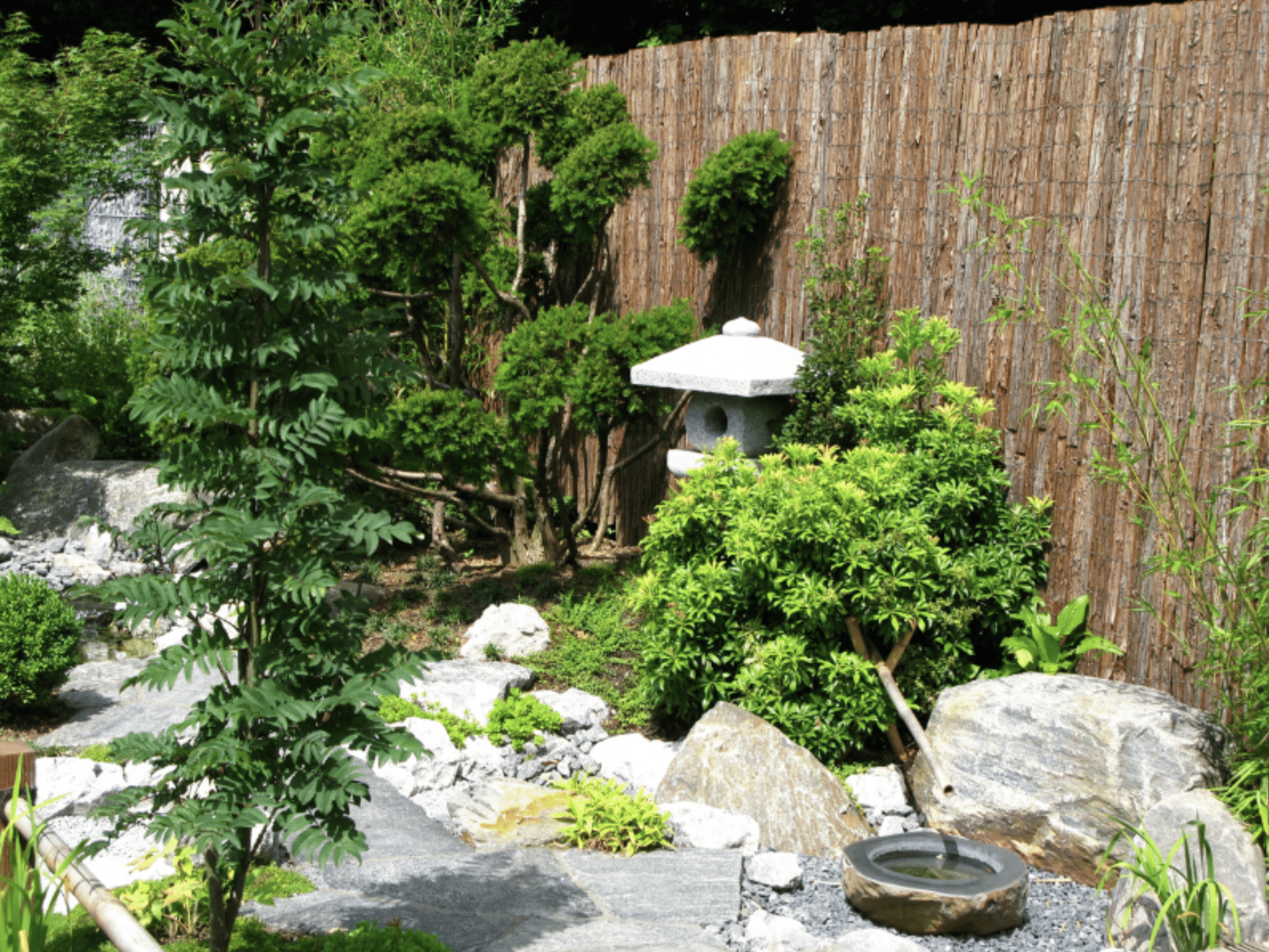
Stone is another natural material that blends perfectly into an exotic garden. Used for low walls, pathways or ponds, it adds a touch of robustness and durability. Natural stones, such as granite or basalt, are ideal for creating decorative elements that stand the test of time.
Pebbles and boulders can also be used to create planting areas or focal points in your garden. They add texture and contrast, while reinforcing the natural look of the whole.
Bamboo is a versatile, aesthetic material that’s perfect for exotic gardens. Used for fences, pergolas or trellises, it brings an Asian and Zen touch to your outdoor space. Bamboo is also highly resistant and durable, making it an ideal choice for outdoor landscaping.
You can also plant bamboos to create hedges or plant screens. Their rapid growth and dense foliage create areas of shade and privacy in your garden.
For a successful exotic garden, it’s important to choose lush, cold-hardy plants. Some species, such as Trachycarpus fortunei (Chinese palm) or Fatsia japonica (Japanese aralia), are able to withstand winter temperatures while retaining their exotic appearance.
These plants can create a lush garden even in regions with harsh winters. Be sure to protect them well in winter by using winter sails or mulch to preserve their roots.
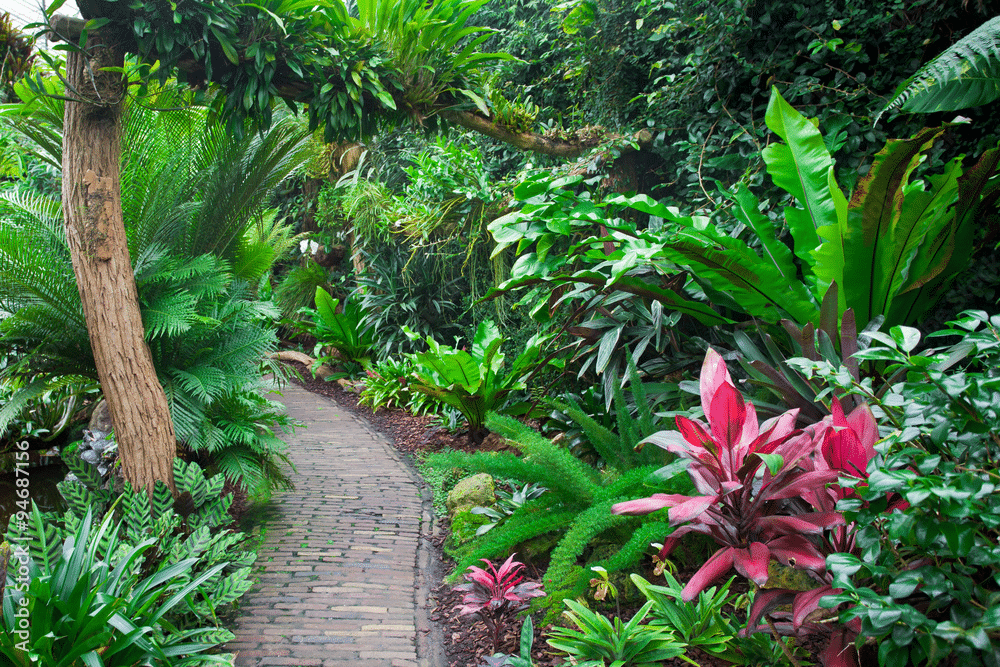
Brightly flowering plants are essential for bringing color and life to your exotic garden. Species such as Hibiscus, Bougainvillea or Strelitzia (bird of paradise) offer spectacular blooms that catch the eye and create a festive atmosphere.
These plants generally need plenty of light and well-drained soil to flourish. Remember to water and fertilize them regularly to encourage abundant flowering.
It’s important to avoid invasive plants in an exotic garden. Certain species, such as bamboo or Japanese knotweed, can quickly colonize the space and choke out other plants. Choose less aggressive species that are easier to control.
If you still wish to incorporate potentially invasive plants, consider planting them in pots or using rhizome barriers to limit their spread. This will allow you to enjoy their beauty without the risk of unbalancing your garden.
To protect your exotic garden plants in winter, it’s important to take a few precautions. Some exotic plants are sensitive to the cold and require special protection. Use winter sails to cover the most fragile plants and protect them from frost.
Also apply a thick mulch around the roots to insulate them from the cold. You can use dead leaves, straw or pine bark to create a protective layer. Remember to bring potted plants indoors or into a greenhouse if temperatures drop too low.
Pests can also pose a threat to the plants in your exotic garden. To protect them, it’s important to regularly monitor the condition of your plants and act quickly in the event of infestation. Use natural treatments, such as black soap or essential oils, to combat pests without harming the environment.
Also encourage the presence of natural predators, such as ladybugs or birds, which feed on pests. Good aeration and moderate watering can also help prevent infestations.
To create an exotic bed, it’s essential to choose the ideal location and prepare the soil well. Opt for a sunny or semi-shady location, depending on the needs of the plants you wish to install. The soil should be rich, well-drained and slightly acidic to encourage the growth of exotic plants.



Get €10 free on your 1st order from €100 and receive our decorating tips & exclusive offers.